How to Study the Bible When You Have ADHD or Focus Issues
Passage is the Bible app that walks with you. Join Christians around the world growing in faith, one verse at a time.


I was sitting in my pastor's office a few months ago, explaining why I kept falling asleep during Bible study despite genuinely wanting to grow spiritually. He nodded knowingly and said something that stuck with me: "The Word of God is for everyone, but sometimes we need to find different doors to enter through." That conversation changed everything for me. If you've ever felt like your wandering mind makes you a "bad Christian," I've got some perspective that might help. Turns out, studying Scripture with ADHD isn't about forcing focus—it's about working with your brain, not against it.

Fidget Your Way Through Scripture: Movement-Based Reading That Actually Sticks
I used to think I was being disrespectful reading the Bible while pacing around my living room. Turns out, movement actually helps Scripture stick in my brain way better than sitting still.
Try reading aloud while walking—something about the rhythm helps me process verses deeper. I've got a friend who bounces on an exercise ball during her morning devotions, and another who does stretches between chapters.
The key is matching your movement to the text's energy. Psalms while walking feels natural. Proverbs work great with gentle stretching between verses. Paul's letters? Perfect for fidget cubes or stress balls.
Your body wants to move—use that instead of fighting it. God gave you that energy for a reason.
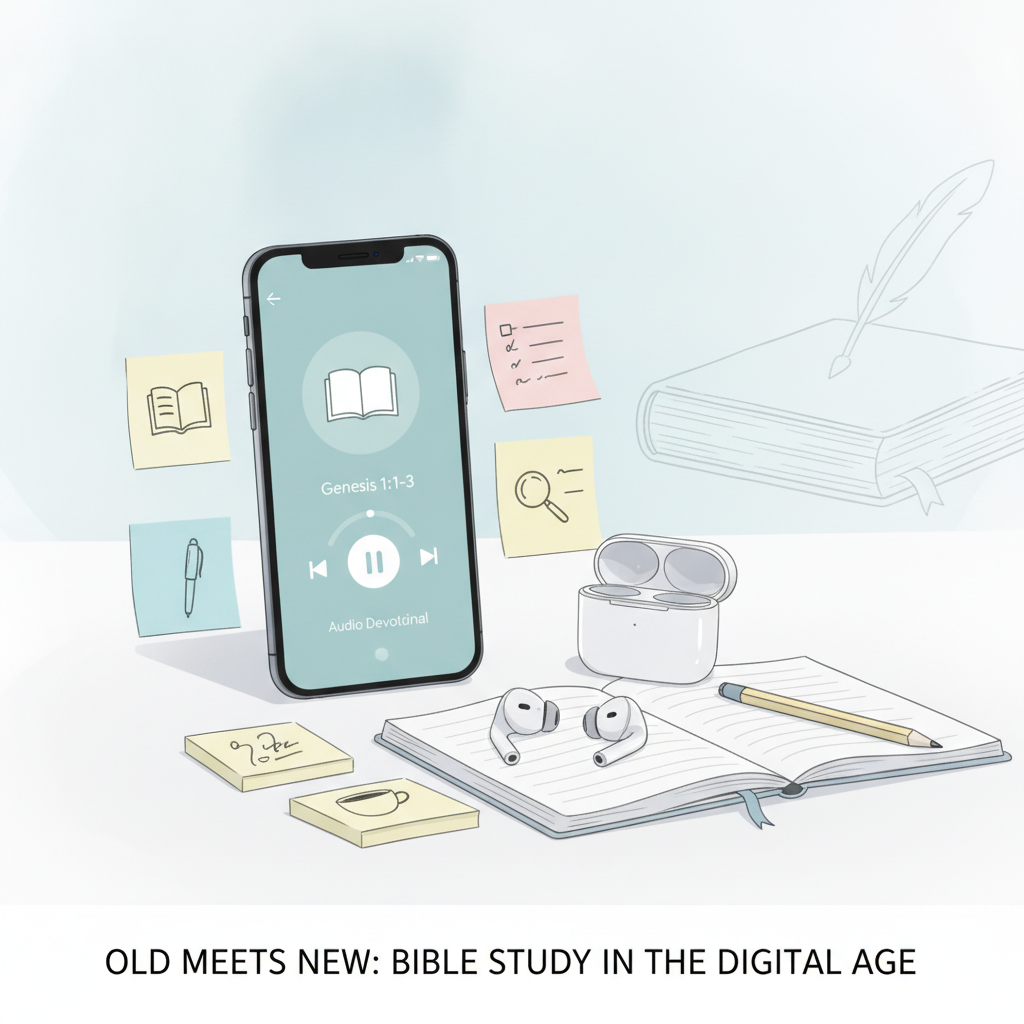
Bible Apps Became My Best Friend (And Yours Too): Digital Tools That Work With Your Brain
Look, I used to think Bible apps were for people too lazy to carry actual books. I was wrong.
The search function alone changed everything for me. Instead of flipping through pages trying to remember "that verse about worry somewhere in Matthew," I type "anxiety" and boom—there it is. My ADHD brain loves instant results.
I've found the audio versions are clutch when my eyes won't focus on text. Sometimes I'll follow along reading while listening, which keeps both my visual and auditory processing busy—exactly what my scattered brain needs.
The highlighting and note features mean I can't lose my thoughts in a stack of forgotten notebooks. Everything stays in one place, synced across devices. When inspiration strikes at 2 AM, it's all right there.
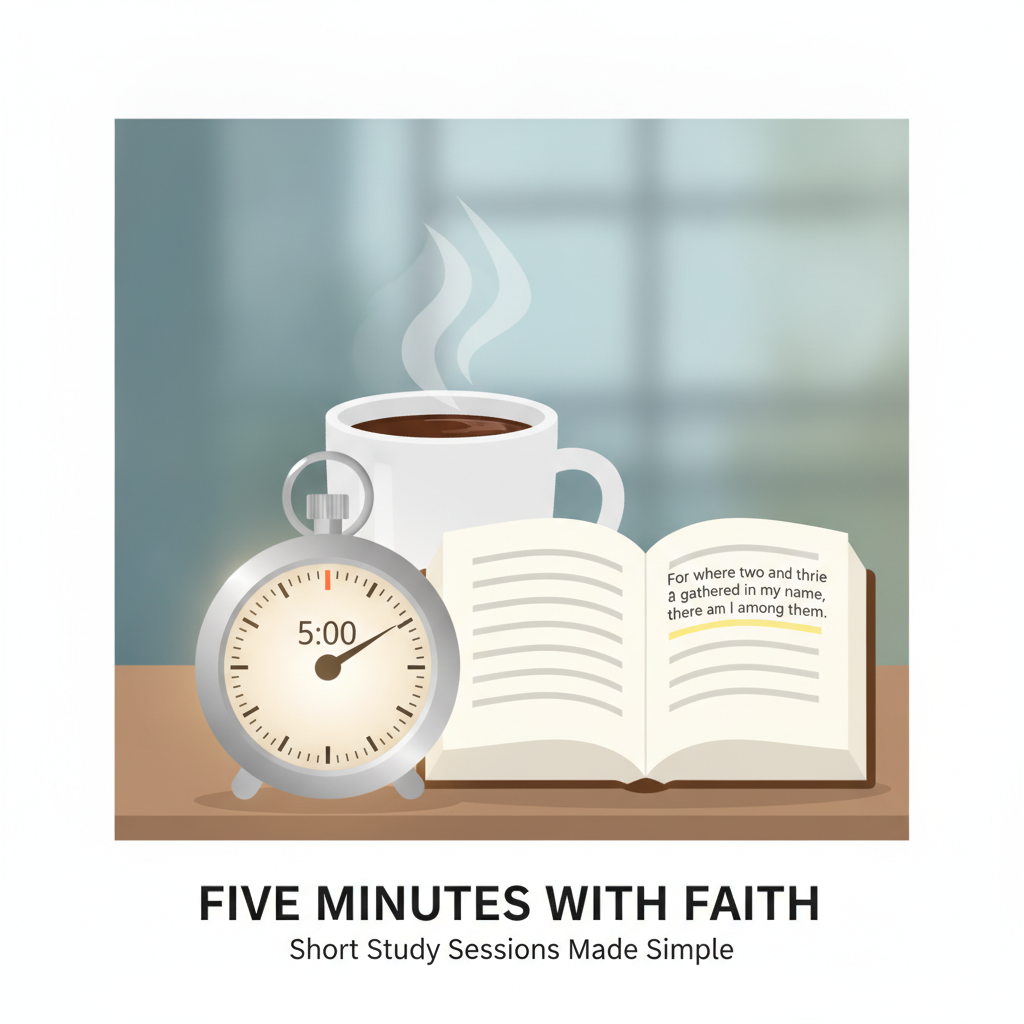
Five Minutes Beats Five Hours: Micro-Study Sessions That Build Real Understanding
"But I feel guilty only studying for five minutes. Shouldn't I be doing hour-long devotions like everyone else?"
I used to think the same thing. I'd sit down with grand plans for deep study, then zone out after ten minutes and feel like a spiritual failure. What changed everything was realizing that five focused minutes beats an hour of mind-wandering every single time.
"Okay, but what does a five-minute session actually look like?"
Pick one verse. Read it three times. Ask yourself one question: "What's God showing me here?" That's it. I keep a phone note where I jot down whatever hits me. Some days it's profound, some days it's just "God cares about details." Both matter. The consistency builds understanding way better than sporadic marathon sessions ever did.
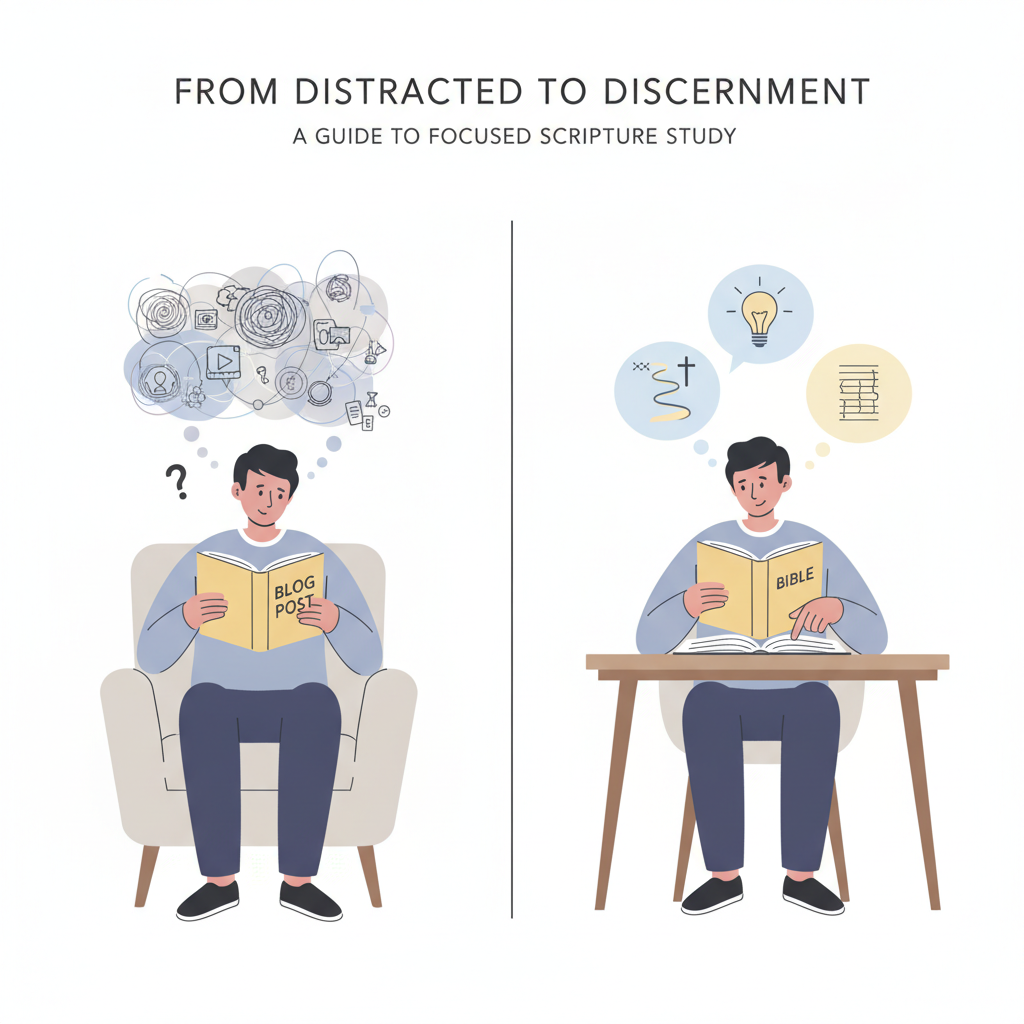
When Your Mind Wanders Mid-Verse: Practical Redirects That Don't Kill Your Flow
1. The finger bookmark trick. I keep my finger on the exact word where my mind drifted. When I catch myself thinking about lunch, I don't restart the whole chapter—I just pick up from that word. Game changer.
2. Read problem verses out loud. If I've read the same sentence four times without absorbing it, I switch to reading aloud. Something about hearing my own voice forces my brain back into focus.
3. Write one word summaries. After each verse, I jot down literally one word that captures the main idea. "Forgiveness." "Warning." "Promise." Keeps me engaged without breaking momentum.
4. Use the wandering thought as a prayer. Mind jumping to work stress while reading Philippians? I pause and pray about that stress, then return to reading. Makes the distraction productive instead of frustrating.
Quick Answers
Should I use audio Bible or read text when I have ADHD?
I'd go with audio Bible hands down - your brain gets the information without fighting the visual focus battle, plus you can walk around or fidget while listening. I've found that combining both works even better though - following along in text while listening keeps my wandering mind anchored.
Bible journaling vs digital notes - which works better for focus issues?
From my experience, handwriting wins for retention, but digital is way better for organization when your brain jumps around topics. I actually do a hybrid approach - quick digital notes during study, then handwrite the key insights later when I'm processing what stuck.
Is it better to study one verse deeply or read longer passages with ADHD?
Honestly, longer passages work better for me because trying to squeeze meaning from one verse feels like torture when my brain wants to move. I'll read a whole chapter or story arc, then go back and highlight what grabbed my attention - it's like giving my ADHD brain permission to skim first, then dig deeper.
The One Thing Nobody Talks About
Here's what I wish someone had told me earlier: your ADHD brain might actually be better at catching patterns and connections in Scripture that neurotypical readers miss. Don't just accommodate your focus issues—lean into how your mind naturally works. It's a feature, not a bug.