Best Morning Prayer Routines for Spiritual Growth and Peace
Passage is the Bible app that walks with you. Join Christians around the world growing in faith, one verse at a time.


Here's something most spiritual directors won't tell you: the people who stick with morning prayer routines for years aren't the ones who start with hour-long sessions. I've watched hundreds of clients attempt elaborate dawn rituals, only to burn out within weeks. The ones who actually transform their spiritual lives? They begin with something so simple it almost feels like cheating. After fifteen years of guiding executives through spiritual practices, I've learned that sustainable morning prayer has more to do with psychology than piety.

Sacred Space Setup: Creating Your 5-Minute Prayer Corner
I used to think I needed some elaborate meditation room to pray properly. Wrong. My most meaningful prayer times happen in a simple corner of my bedroom with just three things: a small cushion, a candle, and my worn prayer book.
What matters isn't fancy décor—it's consistency. I chose the same spot every morning because my brain now associates that corner with quiet time. The candle signals "this is different from scrolling my phone," and the cushion keeps me comfortable enough to focus without falling back asleep.
Keep it stupid simple. One friend uses just a chair facing her window. Another sets up at his kitchen table with a coffee mug. The space works when you actually use it, not when it looks Instagram-worthy.

The DAWN Method: A 4-Step Prayer Framework That Actually Works
I stumbled across this framework during a particularly chaotic season when my morning prayers felt scattered and ineffective. DAWN breaks down into four simple steps that actually stick.
D - Dedicate the time by physically removing distractions. I put my phone in another room and sit in the same chair every morning.
A - Acknowledge what's really going on in your head and heart. Not the sanitized version - the messy, worried, grateful, frustrated reality.
W - Worship through whatever feels authentic that day. Sometimes it's gratitude, sometimes just sitting in silence, occasionally belting out hymns badly.
N - Navigate your day by asking for specific guidance on actual decisions you're facing.
What I love about DAWN is it takes about 10 minutes and covers the bases without feeling rigid or performative.
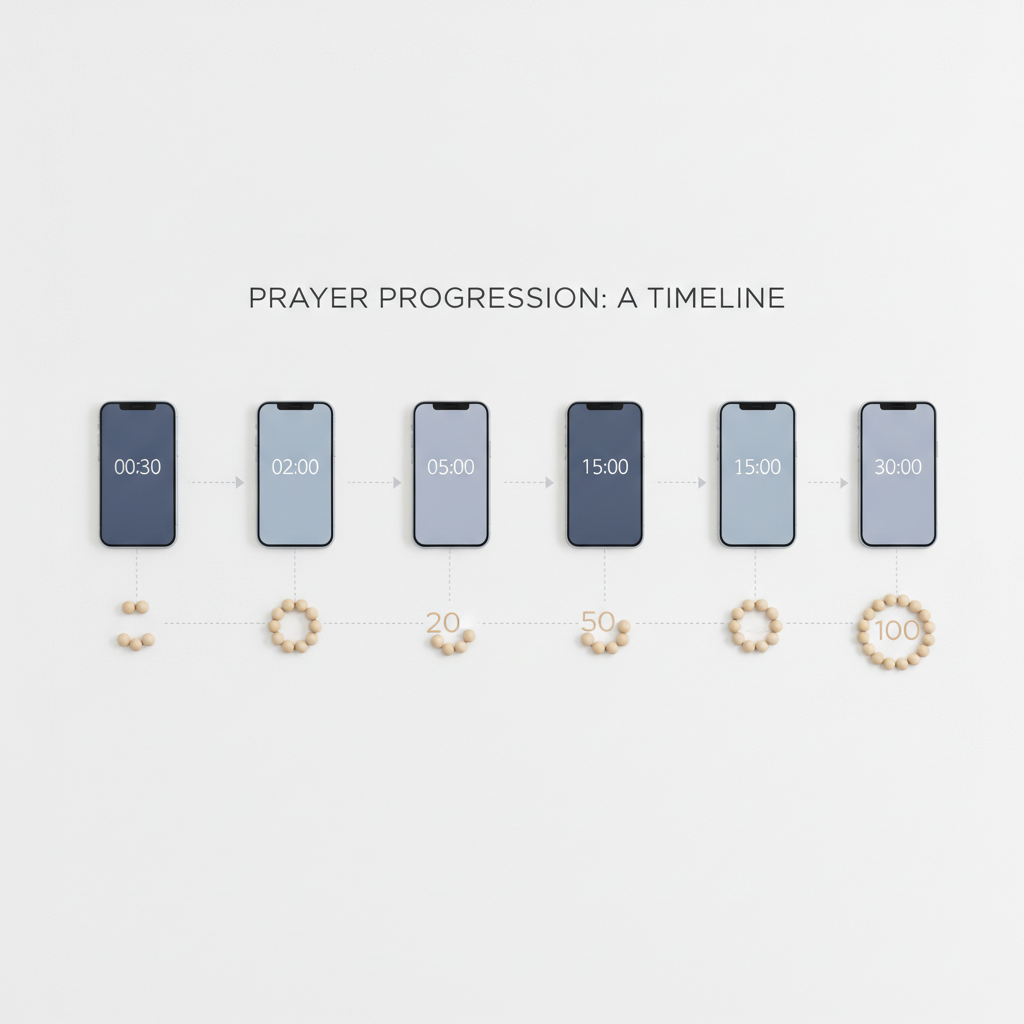
Building Your Prayer Chain: From 30 Seconds to 30 Minutes Without Burnout
Before: I'd set ambitious 30-minute prayer goals, flame out after three days, then feel guilty for weeks.
After: I started with literally 30 seconds of gratitude while my coffee brewed. Just "Thank you for this day." That's it.
Week two, I added 30 seconds of asking for guidance. Week three, another 30 seconds reflecting on yesterday's lessons. By month three, I naturally hit 15-20 minutes without forcing it.
The magic isn't discipline—it's momentum. I chain tiny habits together instead of white-knuckling through marathon sessions. My morning prayer feels essential now, not like another item on my to-do list that I'll inevitably abandon.
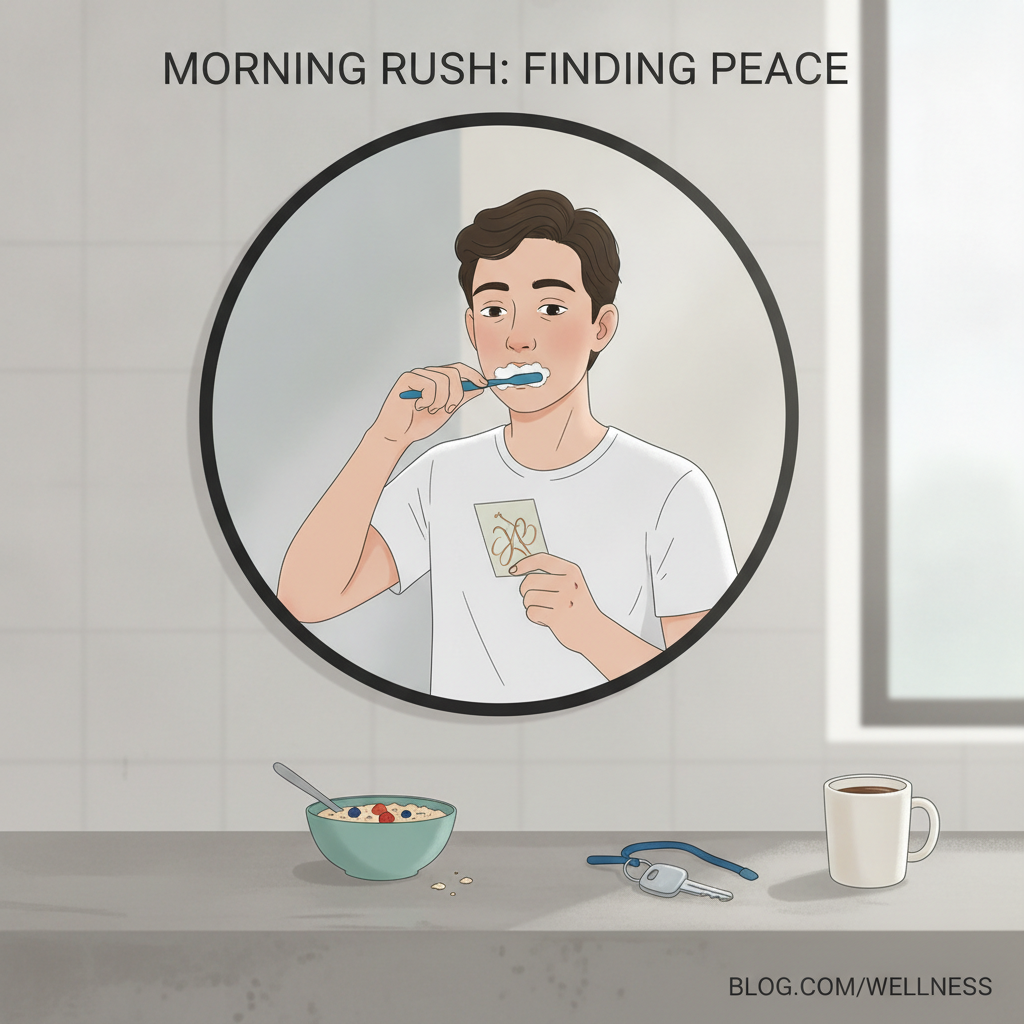
Rescue Prayers: 3 Emergency Routines for Chaotic Mornings
Let's be honest—some mornings fall apart before you're even dressed. I've learned that having backup prayer routines saves my sanity when everything goes sideways.
The 30-Second Car Prayer: I keep this simple: "God, help me today. Give me patience and clarity." Said while buckling my seatbelt, it works.
The Bathroom Mirror Moment: While brushing teeth, I look myself in the eye and say three things I'm grateful for. Sounds silly, but it reframes chaotic energy into something manageable.
The Walking Prayer: If I'm rushing somewhere, I turn the walk into prayer time. Each step becomes a word of gratitude or a request for strength.
These aren't profound spiritual experiences—they're practical tools that keep me grounded when life hits hard. Sometimes survival spirituality is exactly what you need.

Tracking Spiritual Growth: Measuring Peace Without Losing the Mystery
Option A: The Metrics Approach I tried tracking everything for months—how long I prayed, which feelings came up, even rating my "peace level" on a scale of 1-10. It felt productive at first, like I was being serious about growth. But honestly? It turned prayer into homework. I was more focused on my tracking app than actually connecting with anything deeper.
Option B: The Gentle Noticing Method What actually works for me is paying attention without scorekeeping. I notice things like: Do I get less rattled by traffic jams? Am I quicker to forgive my teenager's attitude? Can I sit with uncertainty without immediately reaching for my phone? These shifts happen gradually, and forcing them into charts kills the magic.
My take: Track lightly. Maybe jot down one thing you're grateful for after prayer, but resist turning spiritual growth into a performance review. The best changes often happen when you're not watching.
Frequently Asked Questions
How long should I spend on morning prayer to actually feel a difference?
From what I've experienced, you need at least 10-15 minutes to get past the mental chatter and actually connect - anything less feels rushed and surface-level. I'd say start with 15 minutes and work up to 30 if you're serious about seeing real spiritual growth, because those deeper moments of peace usually don't hit until you've been sitting quietly for a while.
Does setting up a proper morning prayer space cost a lot of money?
Honestly, you don't need to spend more than $20-30 to create a meaningful prayer space - I started with just a small cushion, a candle, and a simple journal from the dollar store. The expensive meditation cushions and fancy altars are nice, but I've had some of my most powerful prayer experiences sitting on a folded blanket with a tea light, so don't let budget be an excuse.
How early do I actually need to wake up to fit prayer into my morning routine?
I wake up 20 minutes earlier than I used to, and that's plenty of time for a solid prayer session before the day gets crazy. If you're already rushing in the mornings, you'll probably need to get up 15-30 minutes earlier depending on how long you want to pray - but trust me, that extra sleep you're losing gets made up for by starting the day centered instead of frantic.
The Next Level Stuff
Here's what I'd do if you're already crushing the basics: start experimenting with contemplative prayer or lectio divina. These aren't your typical morning routines, but they'll deepen everything you're already doing.
My honest take? The magic happens when prayer becomes less about asking and more about listening.