Bible Reading Plans for Depression: Finding Hope in Scripture
Passage is the Bible app that walks with you. Join Christians around the world growing in faith, one verse at a time.


I've watched too many people treat depression like something you can just pray away—and honestly, that approach usually backfires. But I've also seen how the right Bible passages, read consistently, can genuinely shift your mental landscape over time. The key isn't random verse hunting when you're spiraling. You'll learn specific reading plans that tackle depression head-on, plus how to actually stick with them when motivation disappears.
When Your Bible Feels Like Dead Weight: Starting Small During Dark Days
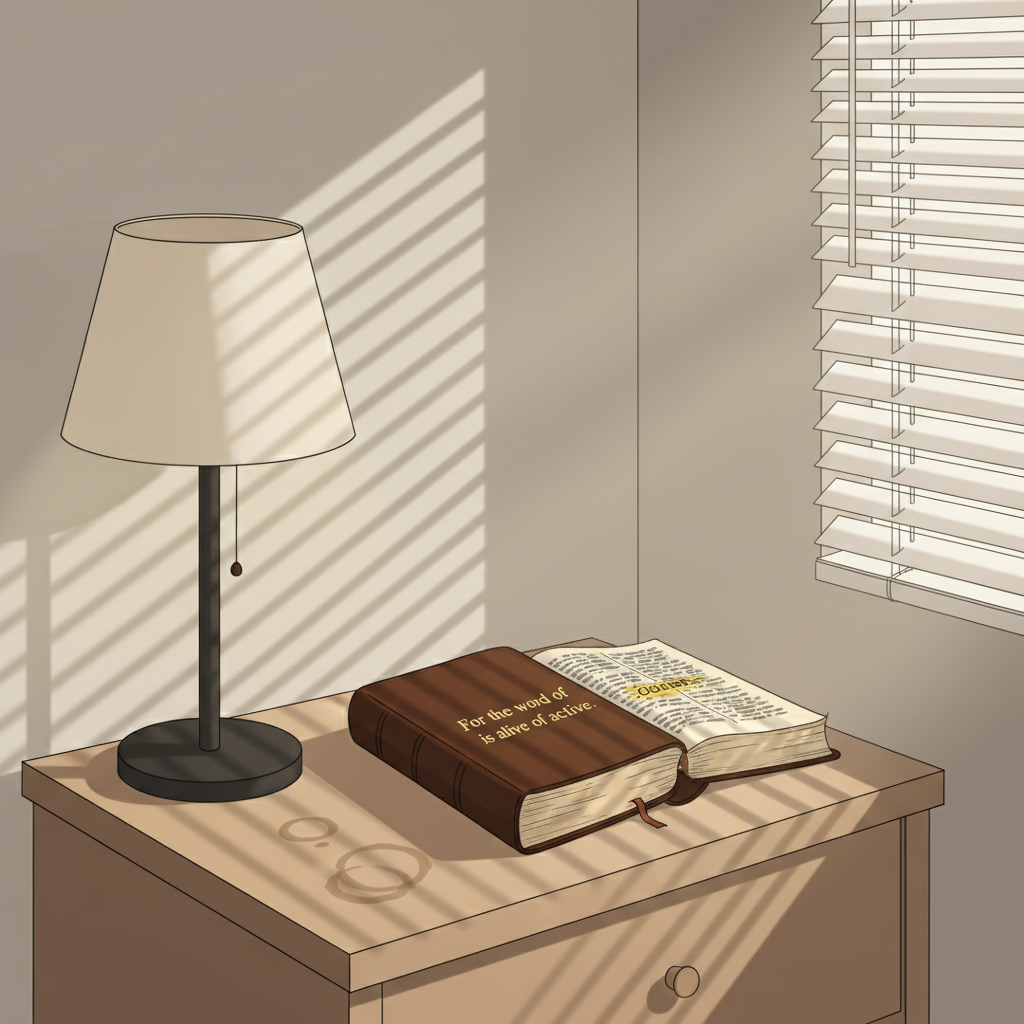
I remember staring at my Bible on the nightstand for weeks, feeling guilty every time I saw it. The thought of reading full chapters felt overwhelming when I could barely get dressed. What finally broke the cycle was lowering my expectations dramatically.
I started with one verse. Just one. Psalm 23:4 became my go-to because it acknowledged darkness without demanding I feel better immediately. Some days I'd read it three times. Other days I'd just hold the book.
The breakthrough came when I stopped treating Bible reading like a performance review with God. Those tiny moments of connection during my worst weeks became the foundation for rebuilding my faith routine later.
Three Reading Plans That Actually Worked When Prozac Wasn't Enough
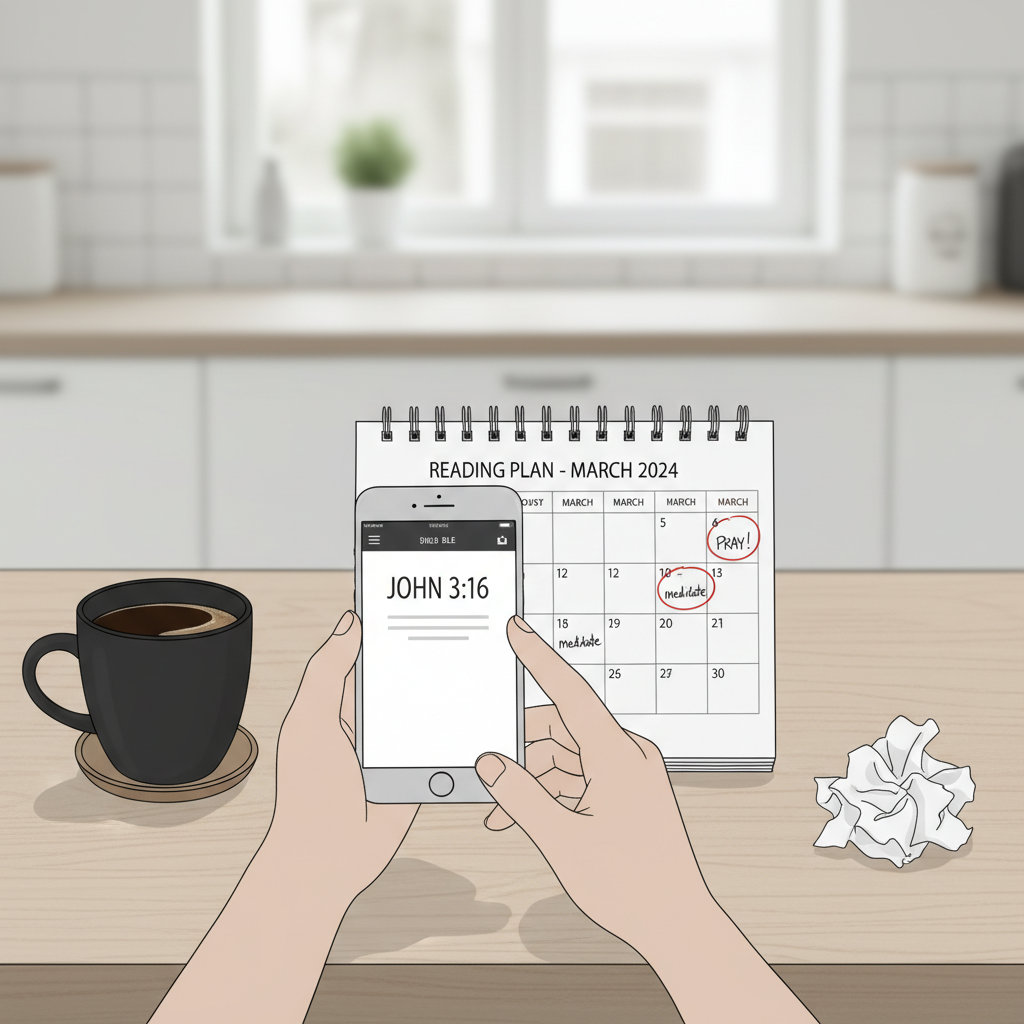
I've burned through Bible reading plans like tissue paper during my worst episodes. Most were disasters. Here's what actually stuck:
The Psalms-only plan saved me when nothing else would. Five psalms a day, cycling through monthly. When you can barely function, David's raw honesty about wanting to die hits different than feel-good devotionals.
The "Jesus said" approach worked during my angry phase. I ignored everything else and only read red letters in the Gospels. Stripped away all the theology I was mad at and focused on what he actually said.
The one-verse meditation became my lifeline on medication fog days. Same verse for a week, written on sticky notes everywhere. Philippians 4:19 lived on my bathroom mirror for months.
Fighting the Voice That Says God Doesn't Care: Verses That Punch Back
The biggest mistake I made early on was treating doubt like a character flaw instead of something to fight with actual ammunition. When that voice whispers "God doesn't care about your mess," you need verses locked and loaded.
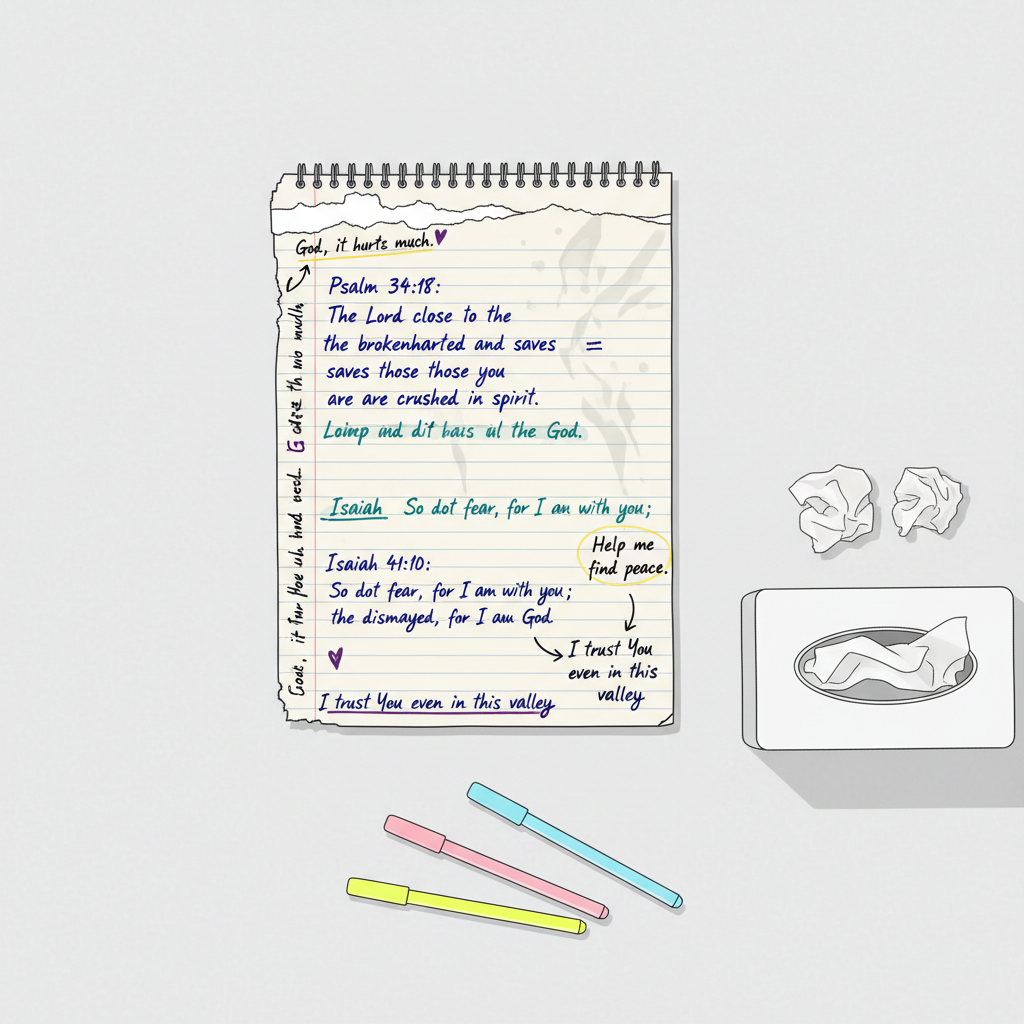
I keep Psalm 34:18 bookmarked: "The Lord is close to the brokenhearted and saves those who are crushed in spirit." Not close to the people who have it together—close to the broken ones. That hits different when you're falling apart.
Isaiah 43:2 became my go-to during panic attacks: "When you pass through the waters, I will be with you." Not if you pass through—when. God expects us to go through hard stuff, and He promises to stay.
Stop apologizing for needing proof that God cares. Find verses that punch back at the lies, then use them like weapons.
Building Your Emergency Scripture Toolkit for 3 AM Panic Attacks
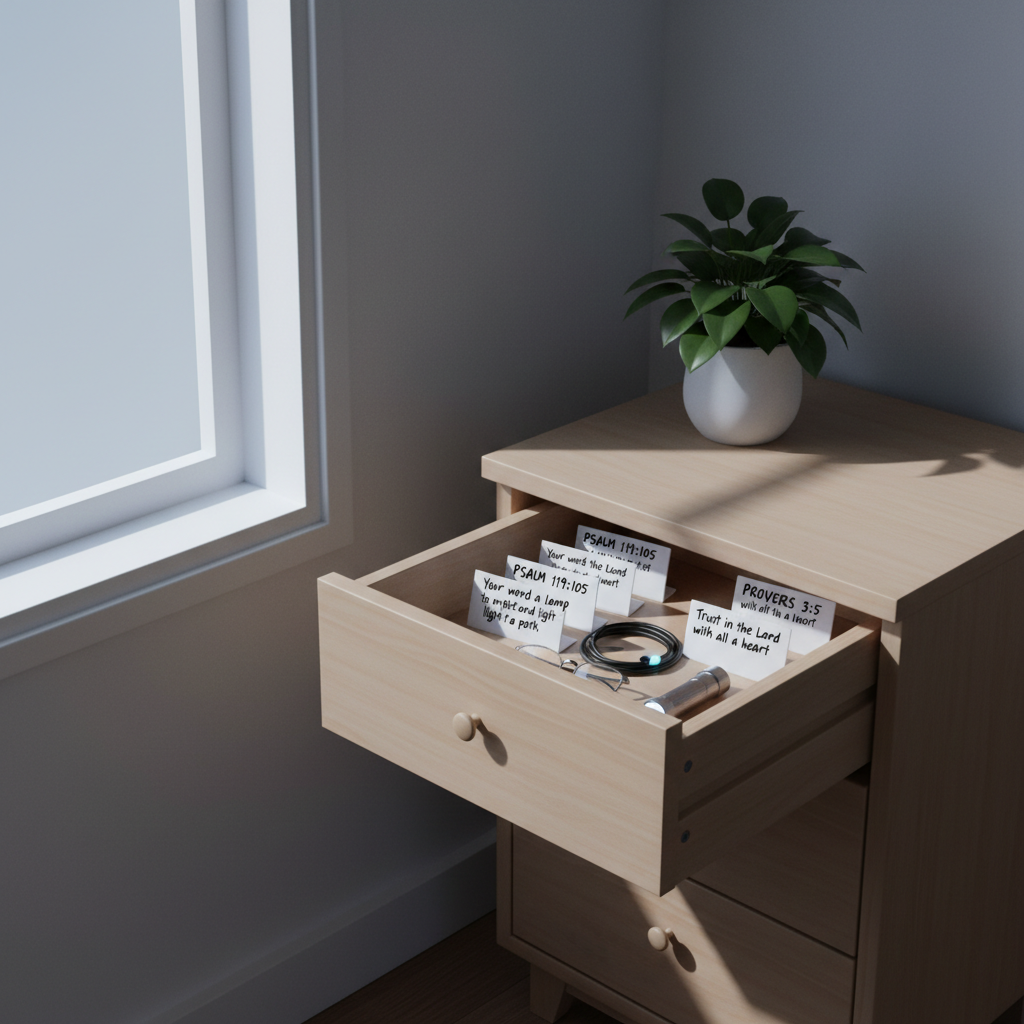
I learned this the hard way during a brutal season of insomnia and anxiety. When you're spiraling at 3 AM, you can't think clearly enough to remember where the comforting verses are. So I started keeping a simple note on my phone with five go-to passages: Psalm 23, Isaiah 41:10, Matthew 6:26-27, Philippians 4:6-7, and 1 Peter 5:7.
Write them out fully, not just references. When panic hits, your brain isn't functioning well enough to flip through pages. I also recorded myself reading them slowly so I could just hit play and let the familiar words wash over me.
Your Questions, Answered
How often should I read the Bible when dealing with depression?
I've found that consistency matters more than quantity - even 5-10 minutes daily works better than trying to do hour-long sessions that you'll skip when you're struggling. When I was going through my worst depressive episodes, I started with just one verse or psalm each morning, and that small daily anchor made a real difference.
When is the best time of day to do Bible reading for depression?
Morning works best for me because it sets the tone before the day's anxieties pile up, but I know people who swear by nighttime reading to calm their minds before sleep. The key is picking a time when you're not completely drained - I learned the hard way that trying to read when I'm already mentally exhausted just leads to guilt when I can't focus.
How do I choose which Bible passages to read when I'm depressed?
Start with the Psalms - David was brutally honest about his struggles, and it feels like having a conversation with someone who gets it. I'd also recommend keeping a list of go-to verses that have helped before (like Psalm 34:17-18 or Isaiah 41:10) because when you're in a dark place, decision-making gets harder and having pre-chosen passages removes that barrier.
The One Thing That Actually Matters
Here's my honest take: forget about finding the "perfect" Bible reading plan. Just start somewhere—even if it's one verse a day. I've seen people get stuck choosing plans for weeks instead of actually reading. The hope you're looking for isn't in the perfect system; it's in simply showing up with an open heart.