7 Personalized Bible Study Plans for New Christians Starting Their Journey
Passage is the Bible app that walks with you. Join Christians around the world growing in faith, one verse at a time.


Here's what I've learned after helping dozens of new Christians navigate their first real Bible study: most people dive in with Genesis and give up somewhere around Leviticus. I've watched well-meaning folks get overwhelmed by where to start, what translation to use, and how to actually understand what they're reading.
This article breaks down seven personalized study plans I've developed based on different personalities and learning styles. Whether you're analytical, story-driven, or need bite-sized chunks, there's a path here that'll actually stick.

When Questions About Faith Feel Overwhelming: The Seeker's Discovery Path
I get it—walking into faith with a million questions feels like drinking from a fire hose. When I started out, I'd read one verse and immediately spiral into "But what about suffering?" or "How do I know any of this is real?"
Here's what saved me: I stopped trying to answer everything at once. Instead, I focused on one big question per month. Started with "Who is Jesus?" and camped out in the Gospels for weeks. Then moved to "Why do bad things happen?" and worked through Job and Psalms.
The breakthrough came when I realized questioning isn't the enemy of faith—it's how faith grows. I keep a "Questions Journal" now, writing down every doubt or confusion. Some get answered quickly, others take years. That's perfectly normal, and honestly, it makes the journey way more interesting than having all the answers handed to you.

Building Your Daily Rhythm: The 15-Minute Morning Foundation Plan
I've watched too many new believers crash and burn trying to do hour-long morning devotions right out of the gate. That's setting yourself up to fail.
Start with 15 minutes. That's it. Five minutes reading one chapter from Matthew, five minutes writing down one thing that stuck out to you, and five minutes praying about it. I do this with my coffee before checking my phone.
The key is picking the same time every day. I tried evenings for months - never stuck. Mornings work because your brain isn't cluttered yet.

Understanding Grace Through Stories: The Character Connection Method
I've found that grace clicks better when you see it lived out through real people, not just explained in theological terms. This method connects you with Bible characters who messed up spectacularly yet experienced God's unmerited favor.
Step 1: Pick a flawed character that resonates with you. I usually recommend starting with Peter (denied Jesus three times) or David (committed adultery and murder). Their failures feel uncomfortably familiar.
Step 2: Read their story chronologically, noting every mistake and God's response. Don't rush through the uncomfortable parts—sit with David's guilt in Psalm 51 or Peter's devastation after the rooster crowed.
Step 3: Write down parallels to your own life. When have you failed someone who trusted you? The connection makes grace personal rather than abstract.
Step 4: Study how God restored them. Peter became the church's foundation. David remained "a man after God's heart." That's grace in action.
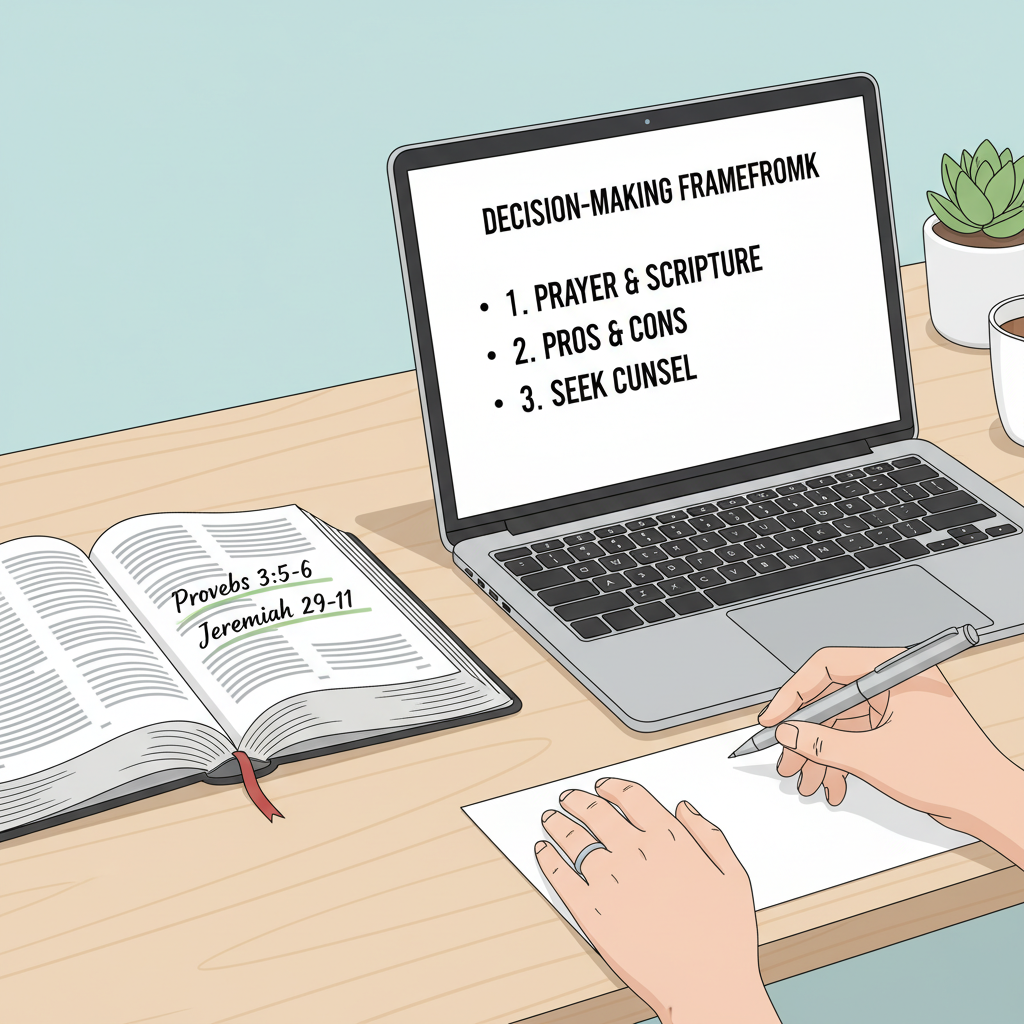
Navigating Life Decisions with Scripture: The Practical Wisdom Approach
I used to overthink every decision until I discovered Proverbs and Ecclesiastes actually give you a framework for real-life choices. Start with Proverbs 3:5-6 as your anchor, then work through specific situations.
When I'm facing a job change, I'll read Proverbs about work and wisdom, then Ecclesiastes on timing. For relationship decisions, I dive into 1 Corinthians 13 and Ephesians on how we treat people. The key is reading with your specific situation in mind, not just general inspiration.
I keep a simple journal where I write the decision at the top, then note what jumps out from each passage. Sometimes the answer isn't obvious immediately, but patterns emerge over a week or two.
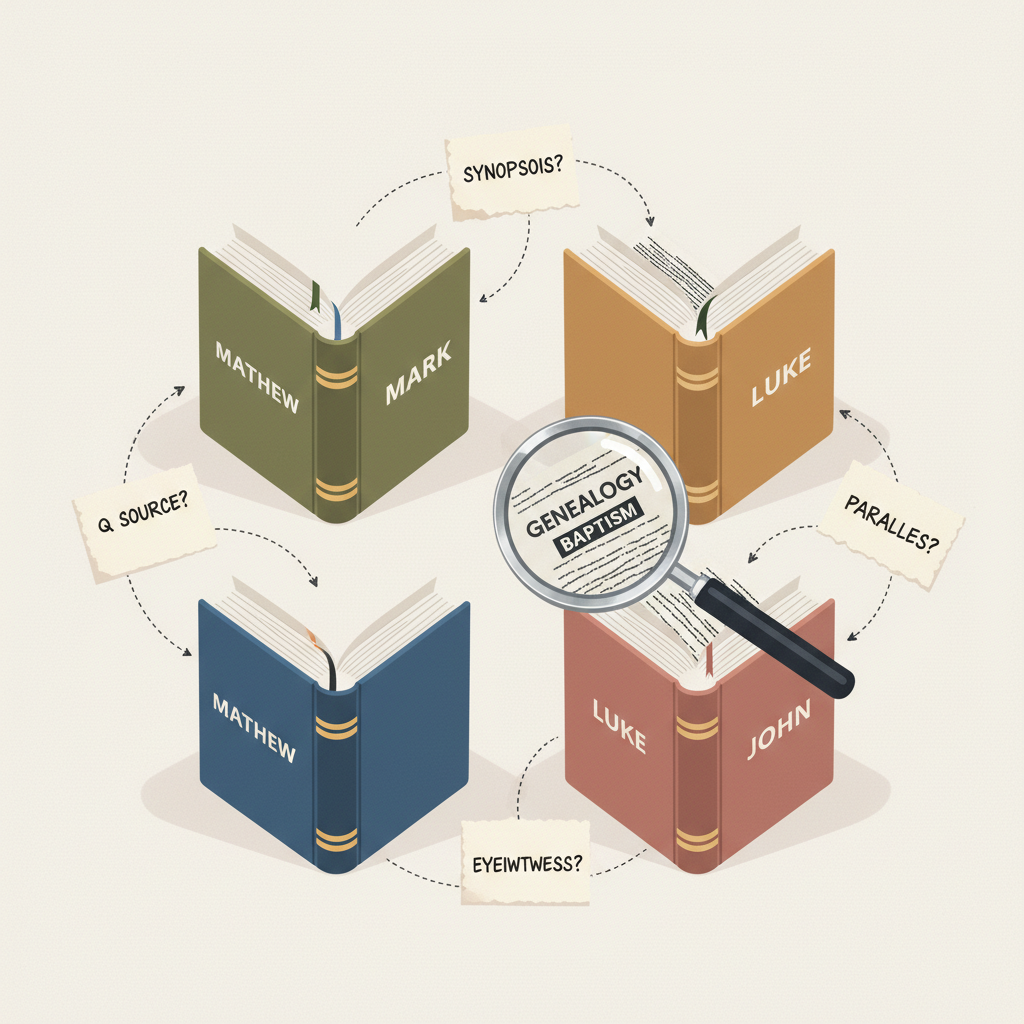
From Confusion to Clarity: The Gospel Deep-Dive Experience
I'll be honest—when I first started reading the Bible, I'd jump around randomly and end up more confused than when I started. One day I'd read about Noah's ark, the next about Paul's missionary journeys. Nothing connected.
What turned things around was spending three weeks just on the Gospel of Mark. I read one chapter each day, but here's what made the difference: I kept a simple notebook where I wrote down every question that popped up. "Why did Jesus spit on that blind guy's eyes?" "What's with all the boat trips?"
By week two, patterns started emerging. By week three, I actually understood who Jesus was claiming to be. That focused deep-dive approach worked way better than my previous Bible-roulette method. Sometimes you need to go deep instead of wide.
Your Questions, Answered
How much time should I expect to spend on these personalized Bible study plans as a new Christian?
From what I've seen with most beginner-friendly plans, you're looking at about 15-30 minutes a day, maybe 4-5 days a week. I'd honestly start with the shorter end - it's way better to be consistent with 15 minutes than to burn out trying to do an hour every day when you're just getting started.
Do these personalized Bible study plans cost anything, or are there free options that actually work?
Most of the solid personalized plans I've come across are completely free - apps like YouVersion or websites that generate custom reading schedules don't charge anything. You might want to grab a decent study Bible eventually (I'd budget around $20-40 for a good one), but the actual study plans themselves shouldn't cost you a dime.
My 30-Day Challenge to You
Here's what I'd do if I were you: pick one of these plans and commit to just 30 days. Don't overthink it - your Bible study doesn't need to be perfect from day one. Start messy, stay consistent, and let God meet you exactly where you are.