Scripture Verses for Financial Struggles and Money Management Wisdom
Passage is the Bible app that walks with you. Join Christians around the world growing in faith, one verse at a time.


I've watched friends stress-eat their way through overdraft fees while scrolling through TikTok hauls they can't afford. There's something darkly poetic about checking your bank balance at 2 AM and immediately opening Instagram to see everyone else's vacation pics. But here's the thing—people have been broke and worried about money since biblical times, and surprisingly, Scripture has some pretty solid takes on handling cash that don't involve prosperity gospel nonsense.

When the Bills Keep Coming and the Bank Account Runs Dry
I've learned there's a mental shift that happens when you're genuinely broke versus just feeling stretched. When I was staring at overdraft fees while rent was due, verses about God's provision felt almost insulting at first. But here's what changed my perspective: Matthew 6:26 isn't promising you'll never run out of money—it's reminding you that panic doesn't solve anything.
The mental model that actually helped me was treating financial emergencies like medical triage. What absolutely has to be paid this week to keep the lights on and a roof overhead? Everything else goes on the "when I can" list. Philippians 4:19 became less about expecting miraculous windfalls and more about finding peace while I figured out next steps methodically instead of frantically.
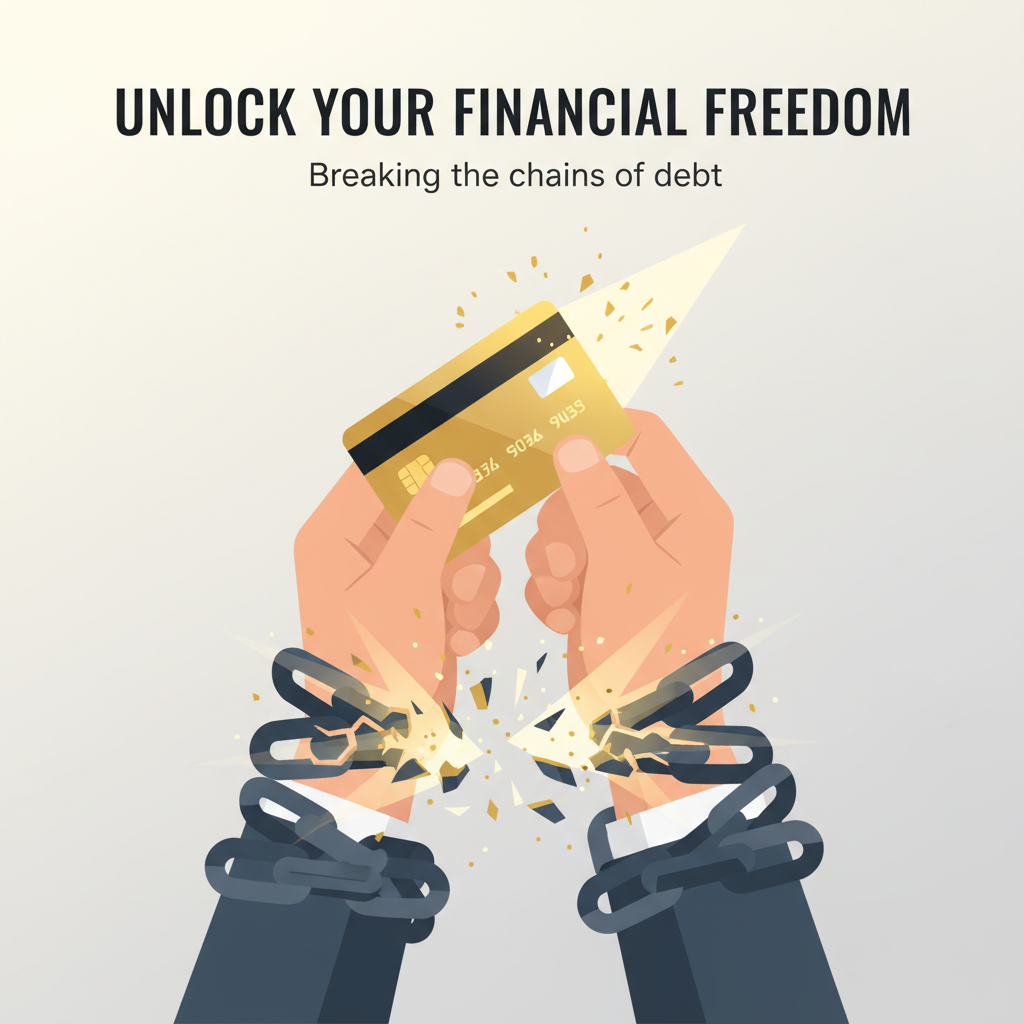
Breaking Free from the Debt Spiral That Steals Your Peace
I've watched debt turn good people into anxious wrecks who can't sleep at night. The spiral starts when you borrow to cover basics, then borrow more to cover the payments. Before you know it, you're paying minimums on everything and getting nowhere.
My benchmark: If more than 40% of your income goes to debt payments (excluding mortgage), you're in crisis mode. I've seen families breaking this cycle by attacking their smallest debt first - forget the math advice about highest interest rates. The psychological win matters more when you're drowning.

Why I Stopped Chasing Get-Rich-Quick Dreams and Found Real Abundance
I used to jump between cryptocurrency schemes and MLM promises, always looking for that one breakthrough. What I discovered was exhausting - constant anxiety about missing out, maxed-out credit cards funding "opportunities," and relationships strained by pushy sales tactics.
The shift happened when I started comparing biblical wealth principles to these quick-fix approaches. Scripture emphasizes steady work, saving gradually, and generous giving versus gambling everything on schemes. I've found that building wealth through consistent budgeting and patience actually works, while get-rich-quick dreams just kept me broke and stressed.
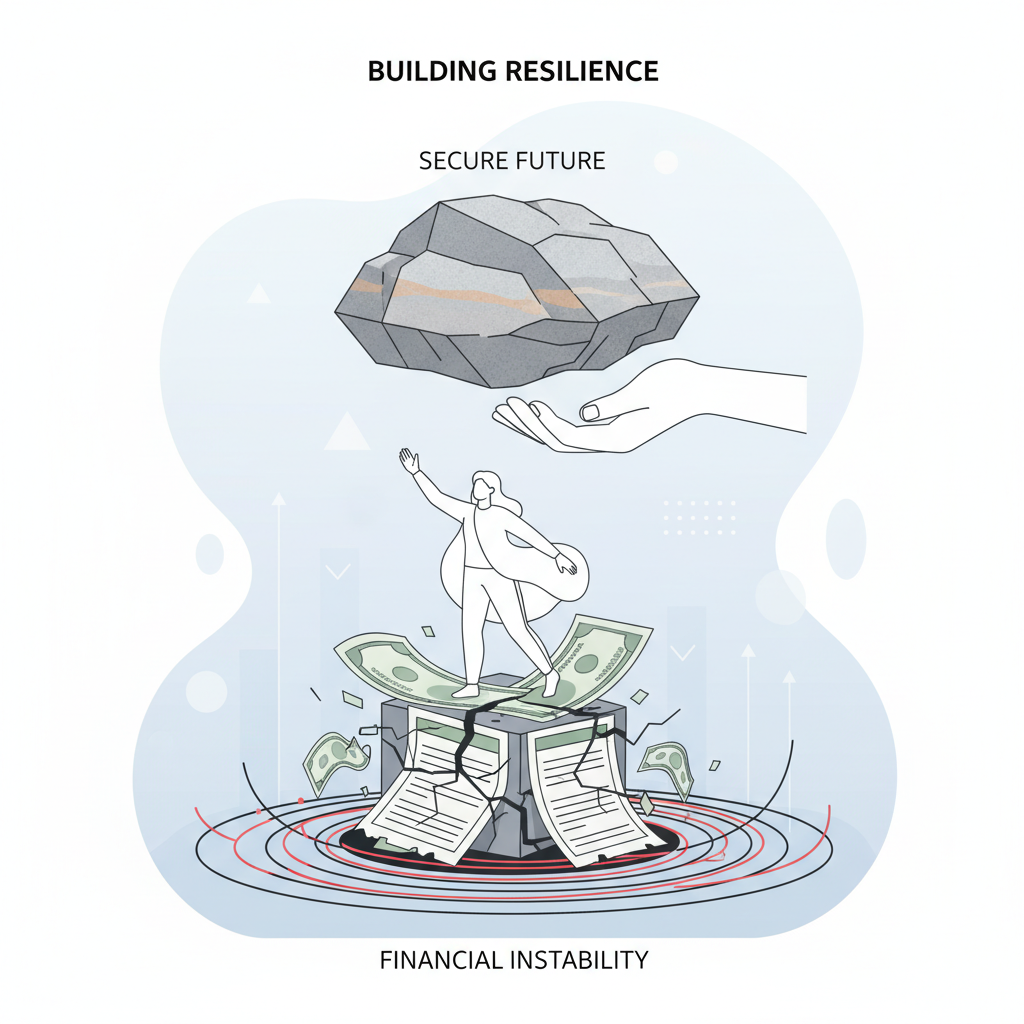
Learning to Trust God When Your Financial Security Crumbles
I've learned that financial collapse forces you into one of four responses, and honestly, only one actually works long-term:
| Panic & Control | Denial & Avoidance |
|---|---|
| Frantically chase every opportunity, make desperate decisions, exhaust yourself trying to fix everything immediately | Ignore bills, avoid hard conversations, hope problems disappear while debt compounds |
| Bitterness & Blame | Trust & Surrender |
| Resent God, blame others, stay stuck in victim mindset that prevents forward movement | Accept reality, seek God's guidance daily, take practical steps while trusting His provision |
I spent months cycling through the first three before landing on trust. That's where breakthrough actually happens.

Finding Joy in Simple Living While Everyone Else Upgrades
The mistake: Thinking you're missing out when neighbors get new cars and friends upgrade their phones every year.
I've watched people destroy their finances chasing everyone else's lifestyle. They see a coworker's kitchen renovation and suddenly their perfectly functional cabinets feel embarrassing. Here's what I learned: contentment isn't about settling—it's about recognizing what's actually enough.
Philippians 4:11-12 hits different when you're surrounded by upgrade culture: "I have learned to be content whatever the circumstances." Paul wasn't advocating poverty; he understood that happiness doesn't scale with spending.
What worked for me was shifting focus from what others had to what I already enjoyed. My ten-year-old car runs fine. My basic phone makes calls. When I stopped measuring my life against everyone else's highlight reel, I found genuine satisfaction in what I'd been overlooking.
What People Ask
Should I focus on tithing verses or practical money management scriptures when I'm broke?
From what I've experienced, start with the practical management verses first - Proverbs about budgeting and avoiding debt will actually help you get on your feet, then you can focus on generosity scriptures once you're not drowning financially.
Are Old Testament money principles vs New Testament teachings better for modern financial struggles?
I'd honestly lean toward Old Testament wisdom like Proverbs for day-to-day money management since it's super practical, but combine it with New Testament teachings about contentment and not worrying - you need both the practical skills and the right mindset.
Which works better for financial anxiety: memorizing prosperity verses or verses about God's provision?
I've found that verses about God's provision (like Matthew 6:26 about the birds) actually calm my money anxiety way more than prosperity verses, which sometimes just made me feel worse when I wasn't seeing financial breakthrough.
Where Faith Meets Your Bank Account
Here's my take: these verses aren't magic formulas for instant wealth. They're reminders that wisdom beats worry every time. I'd love to hear which scripture resonates most with your money struggles—drop a comment and let's talk real solutions.